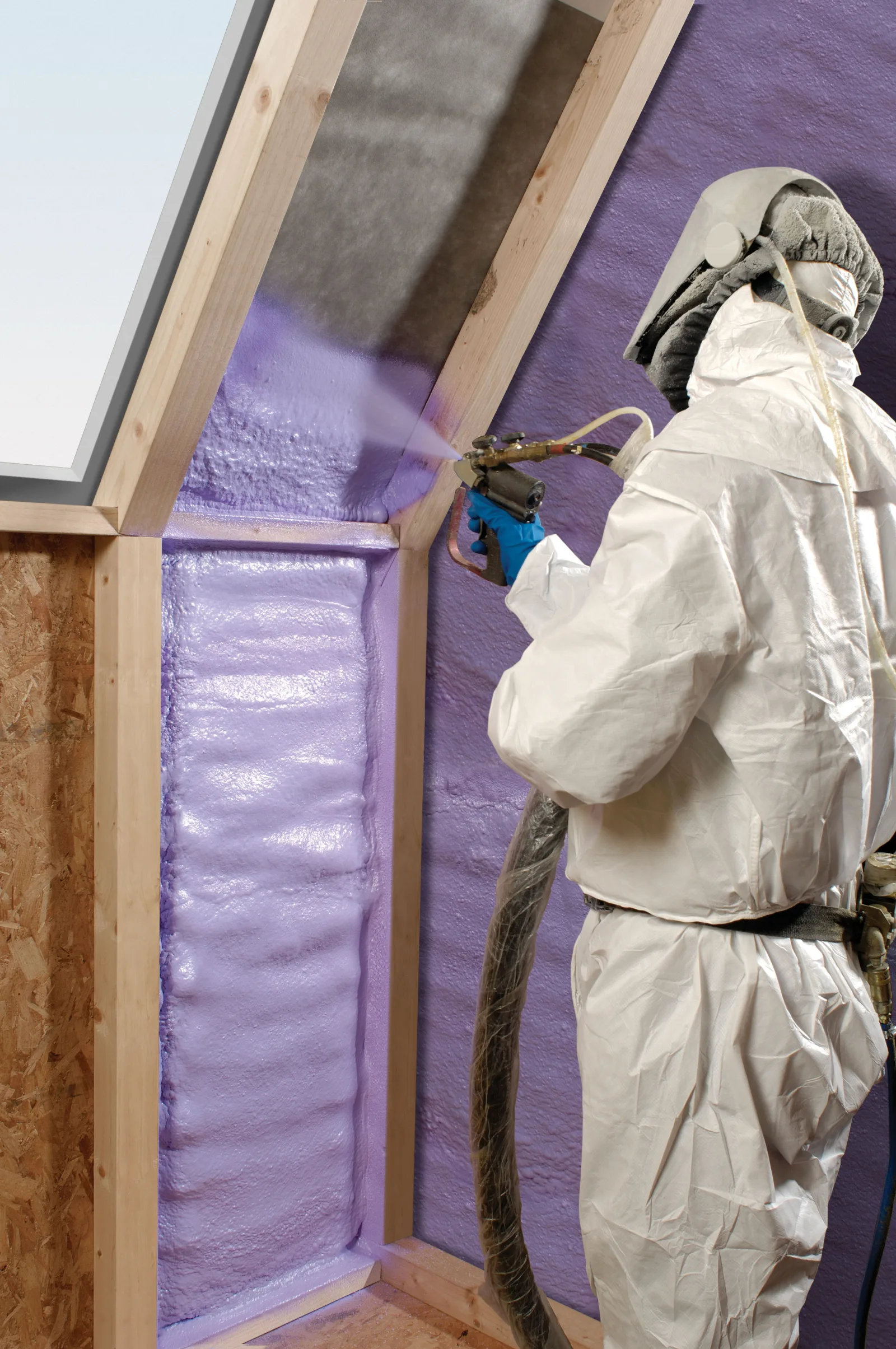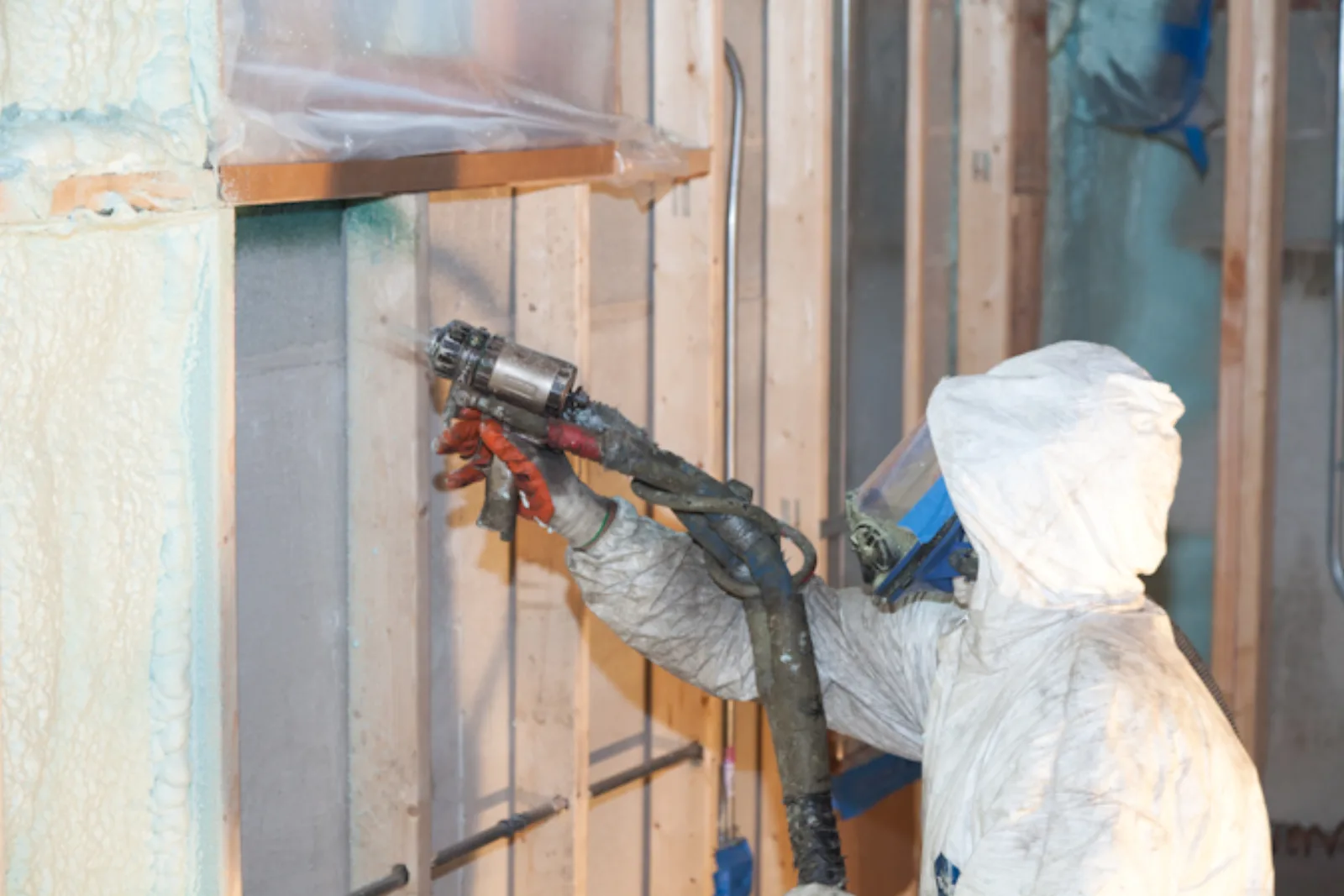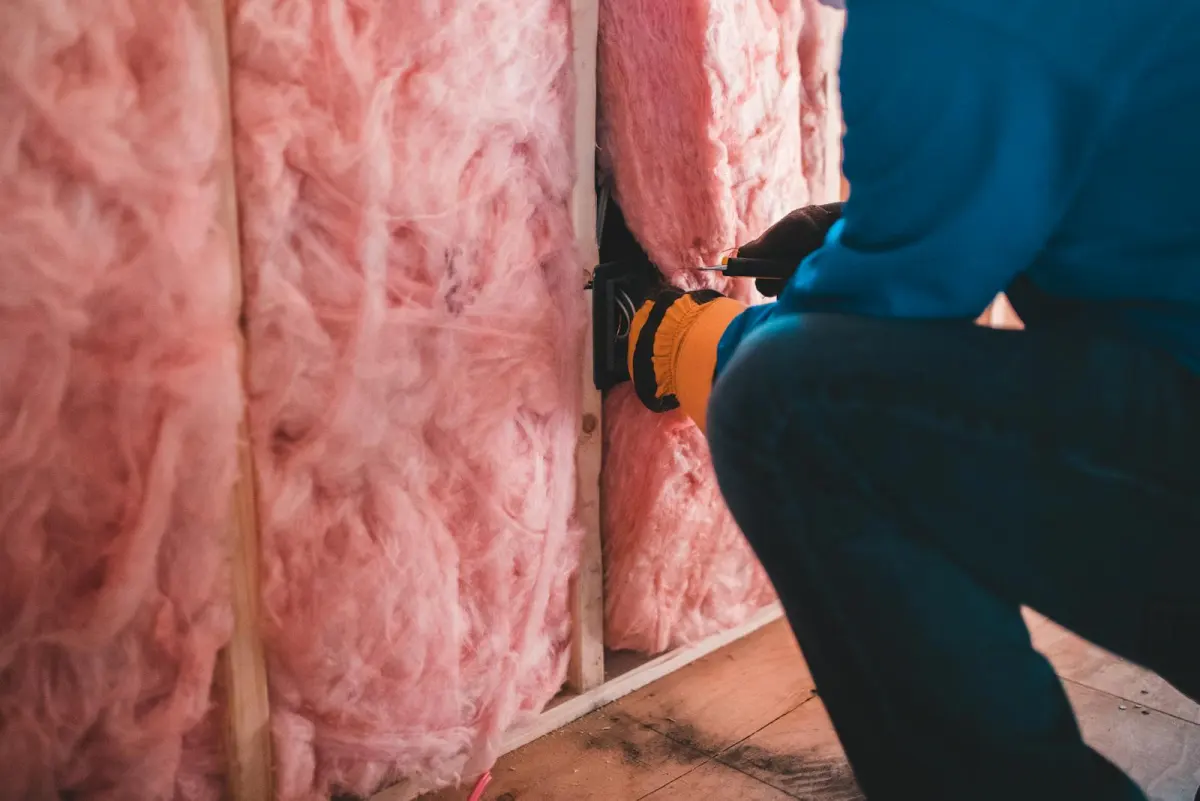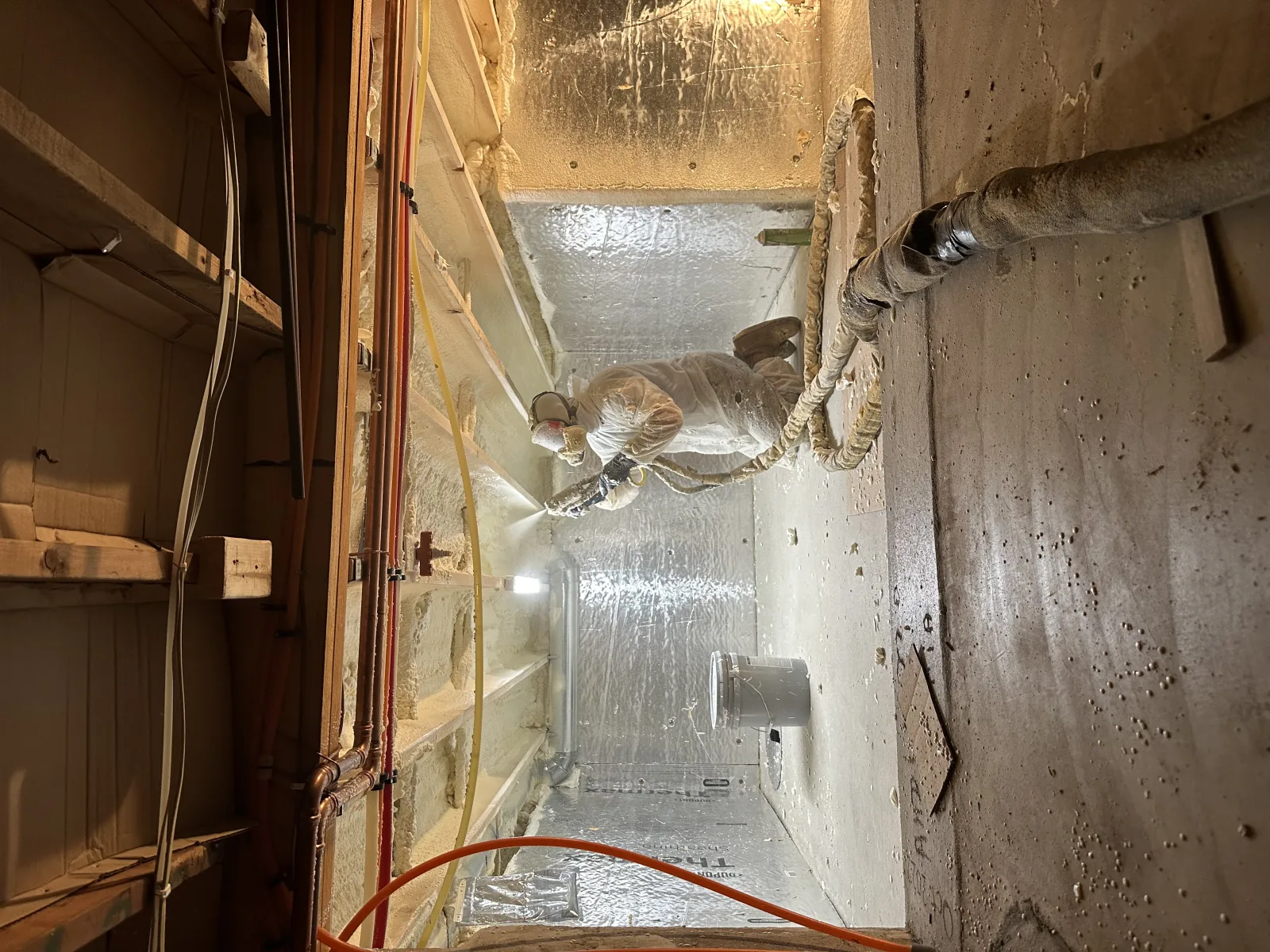
Open-Cell vs Closed-Cell Foam is for properties where the project needs help choosing foam type. We explain the practical options and recommend the approach that fits the building, budget, and timeline. The right foam choice depends on assembly type, code requirements, and vapor behavior.
Reasons to schedule this service
This service may be the right fit when one of these situations sounds familiar:
- the project needs help choosing foam type
- moisture and vapor control matter
- sound, budget, or thickness goals are unclear
What matters for Atlanta properties
Atlanta homes often need insulation work because of humid crawl spaces, hot upper floors, knee walls, bonus rooms, and older additions that leak air. We check the building conditions first so the foam type and prep match the space. For open-cell vs closed-cell foam, the estimate should account for assembly type, code requirements, and vapor behavior, cleanup, timing, and the condition of the existing area.
What affects the estimate
- assembly type
- code requirements
- vapor behavior
- thickness
- fire/thermal barrier details
How the work usually goes
Most projects follow a simple path from review and prep through installation, cleanup, and final walkthrough.
- Building Inspection: Review comfort problems, air leaks, moisture concerns, and the area that needs insulation.
- Foam Type And Prep Plan: Compare foam type, thickness, ventilation, ignition barrier, and code-related details.
- Prep And Masking: Protect nearby surfaces and prepare the attic, crawl space, garage, or building.
- Foam Install: Install foam in the agreed areas and trim where needed for a clean result.
- Trim, Cleanup, And Ventilation Review: Review cleanup, ventilation, and the next steps before the space goes back into use.